
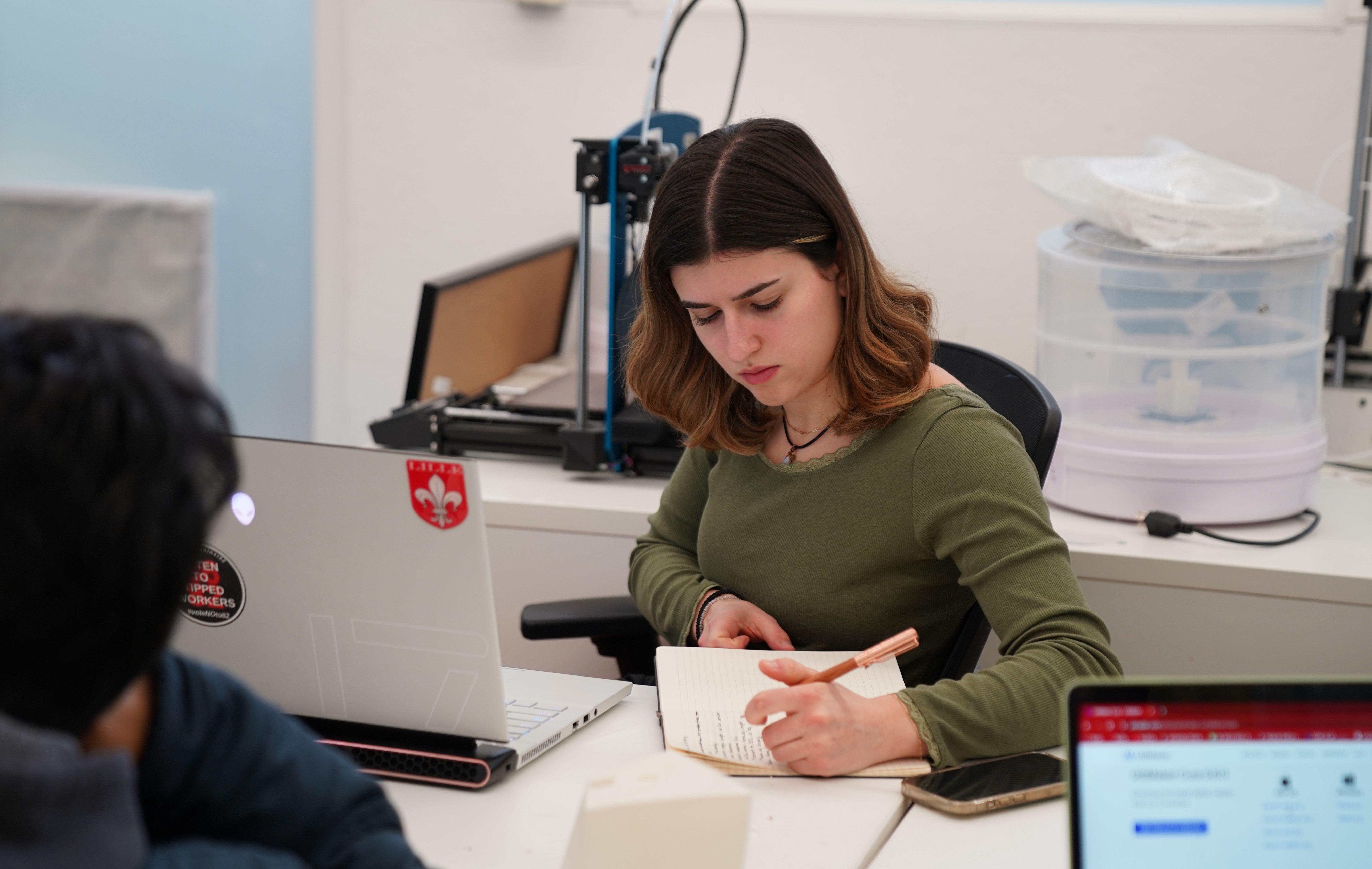
The School of Architecture is dedicated to the professional education of those who will design, build, and conserve the built environment. We offer four undergraduate architecture programs and two minors in Architectural Studies.
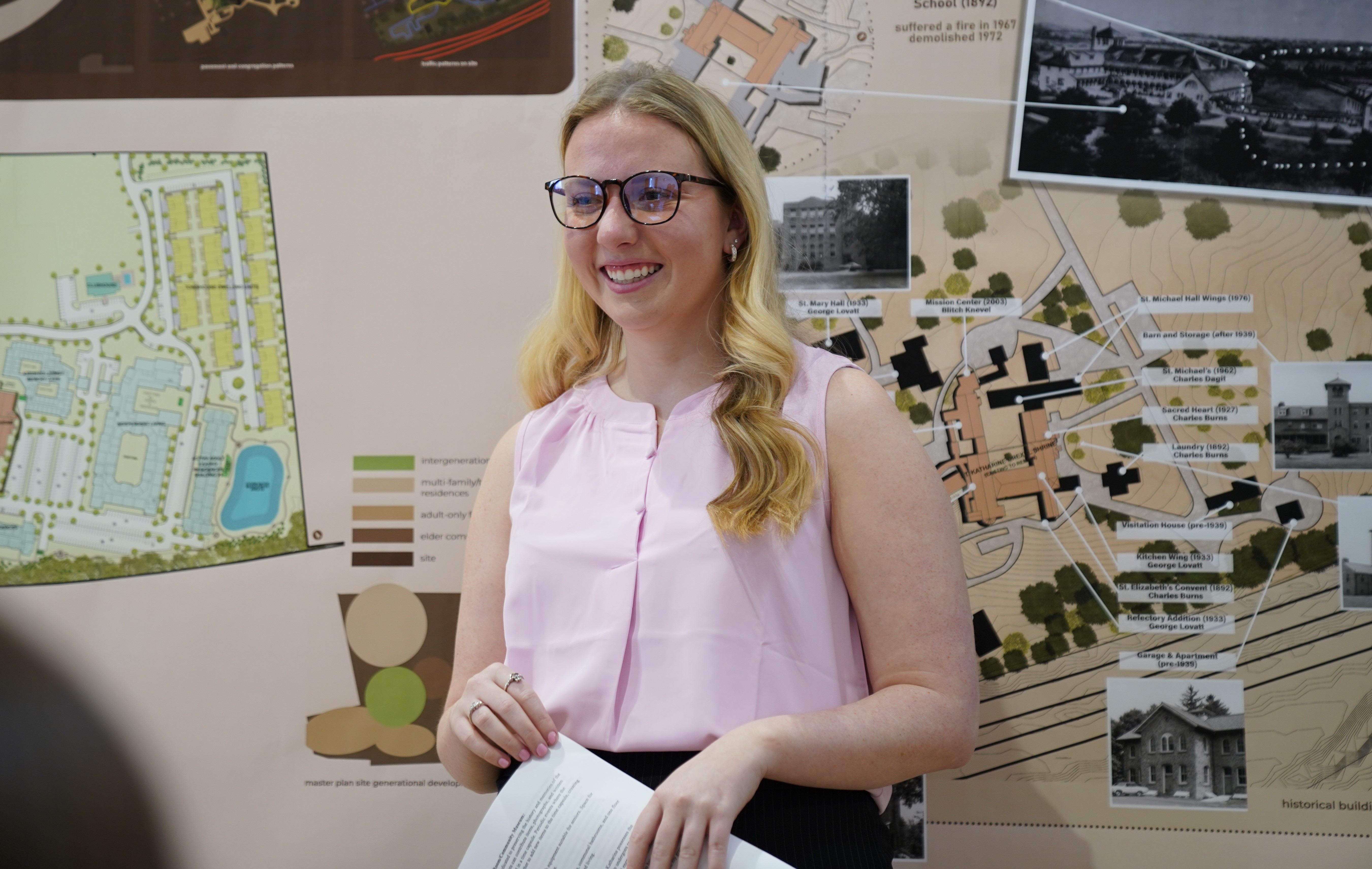
We offer several professional and post-professional degree programs for students interested in pursuing architecture at the graduate level, dependent on their level of prior academic background.
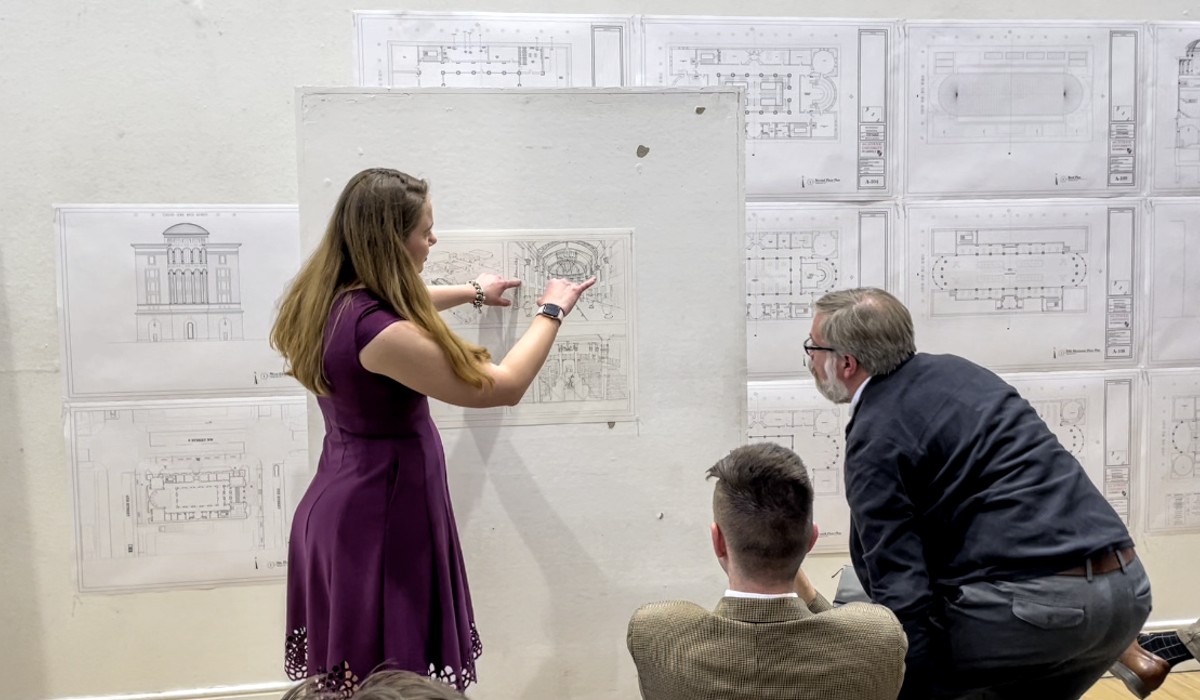
The School of Architecture will equip you with the knowledge, skills, and experiences to make a meaningful impact in the world through the built environment. Embark on a journey with us to create spaces that inspire, unite and elevate our communities.
Your Success Story Starts HereAt the School of Architecture and Planning, we are committed to being stewards of the good, the beautiful, and the true. Drawing on centuries of design wisdom and inspiration from classical to emerging styles, we strive to build planned environments and sustainable spaces that serve the betterment of society, all in the heart of the nation’s capital and the epicenter of design excellence.
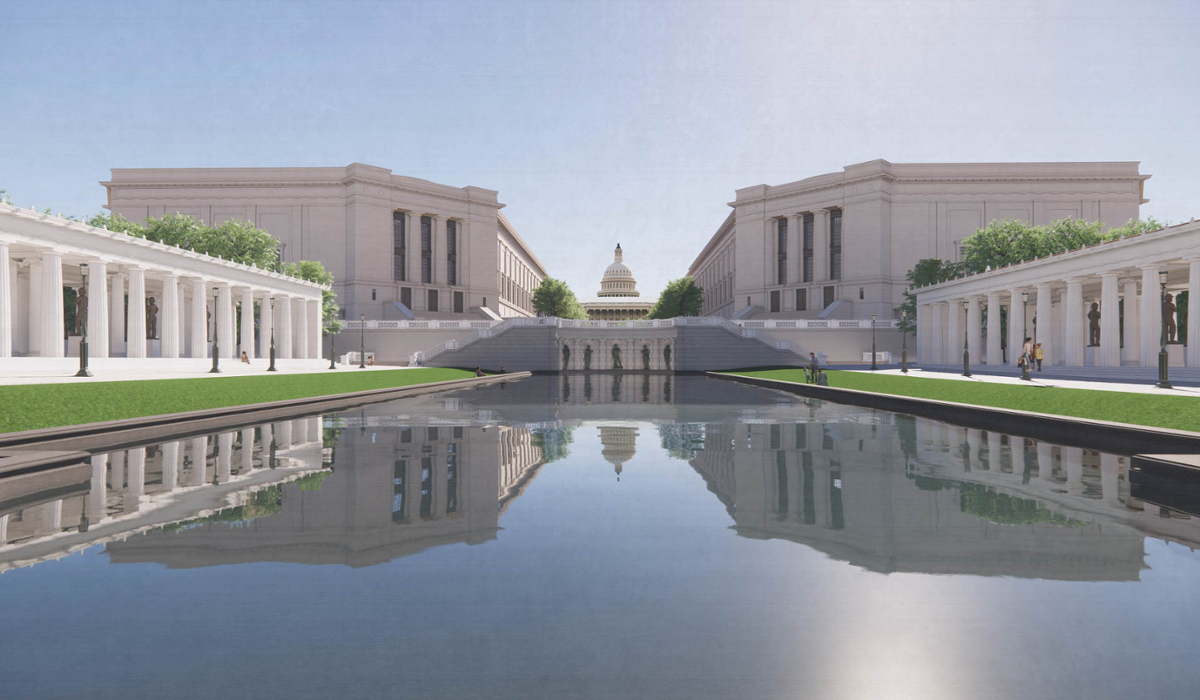
By the end of each semester, our students present their work to an outside jury. Here you can see what our talented students are designing and imagining for our future.
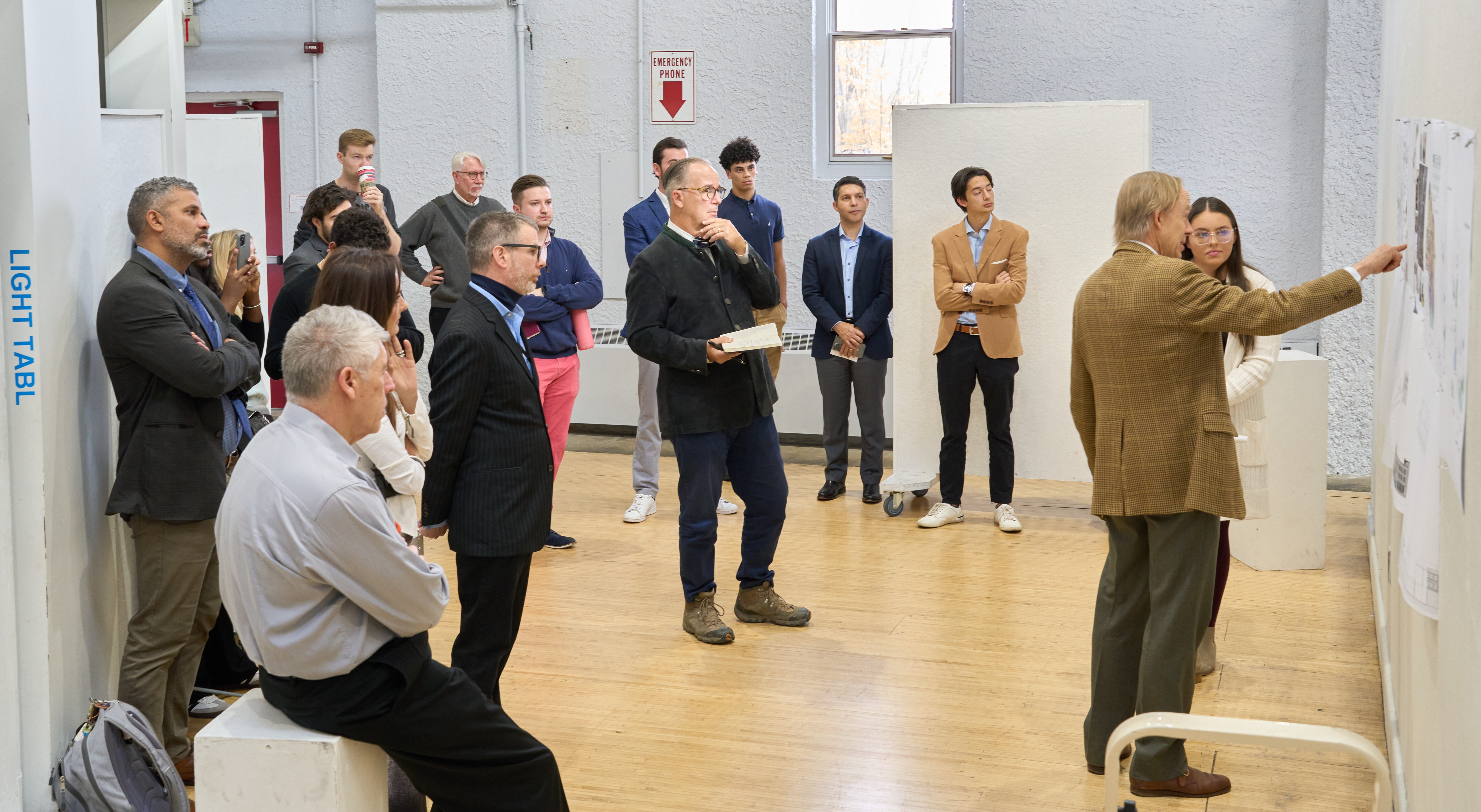
Study under award-winning faculty whose interests range from the newest digital technologies to sustainable systems, to the redevelopment of our cities — all with one common goal: to see you thrive.
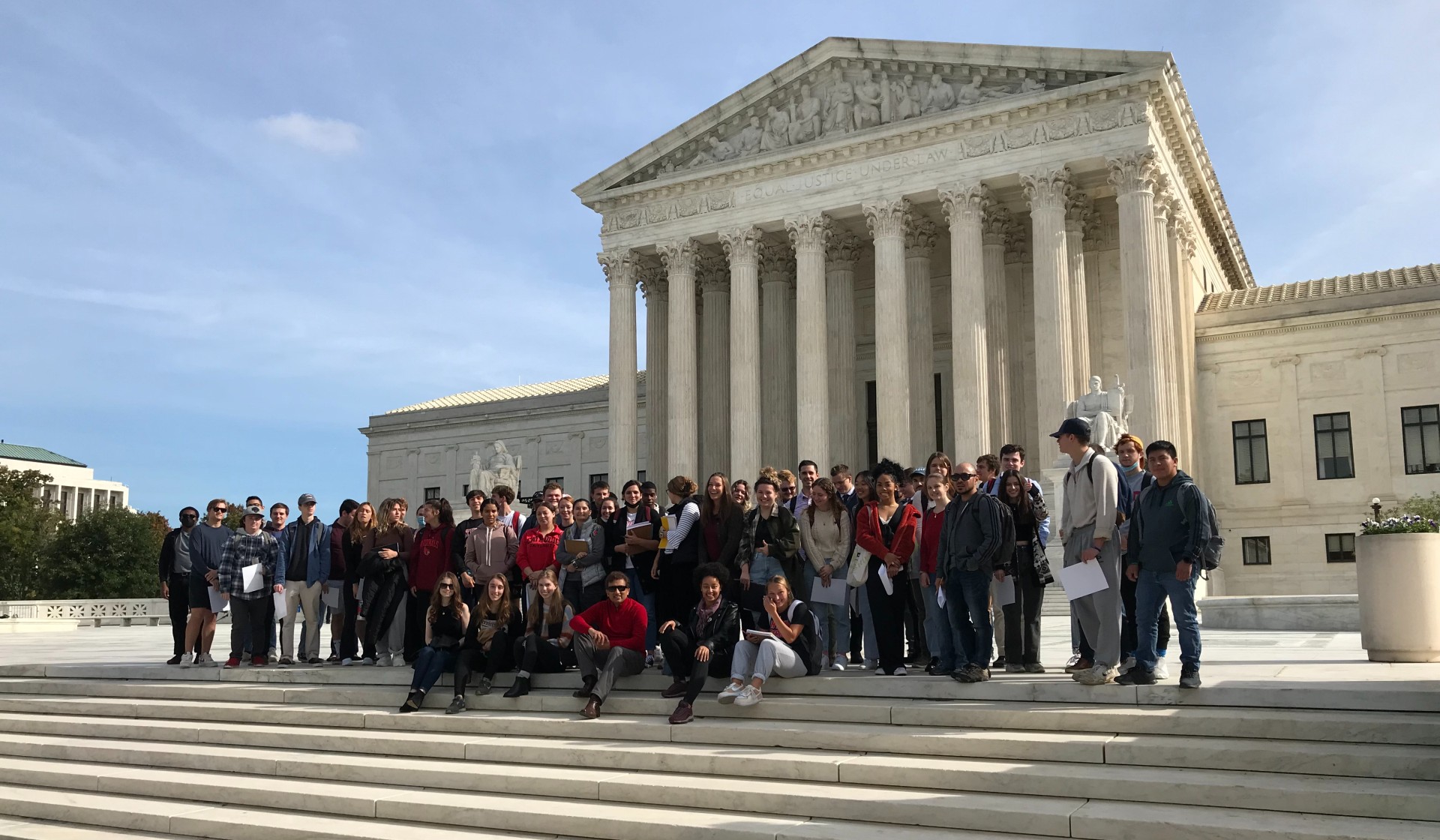
Discover D.C. architecture in one of the first American cities to be architecturally designed and planned, with access to an unparalleled laboratory for design and centuries of urban, architectural history.
